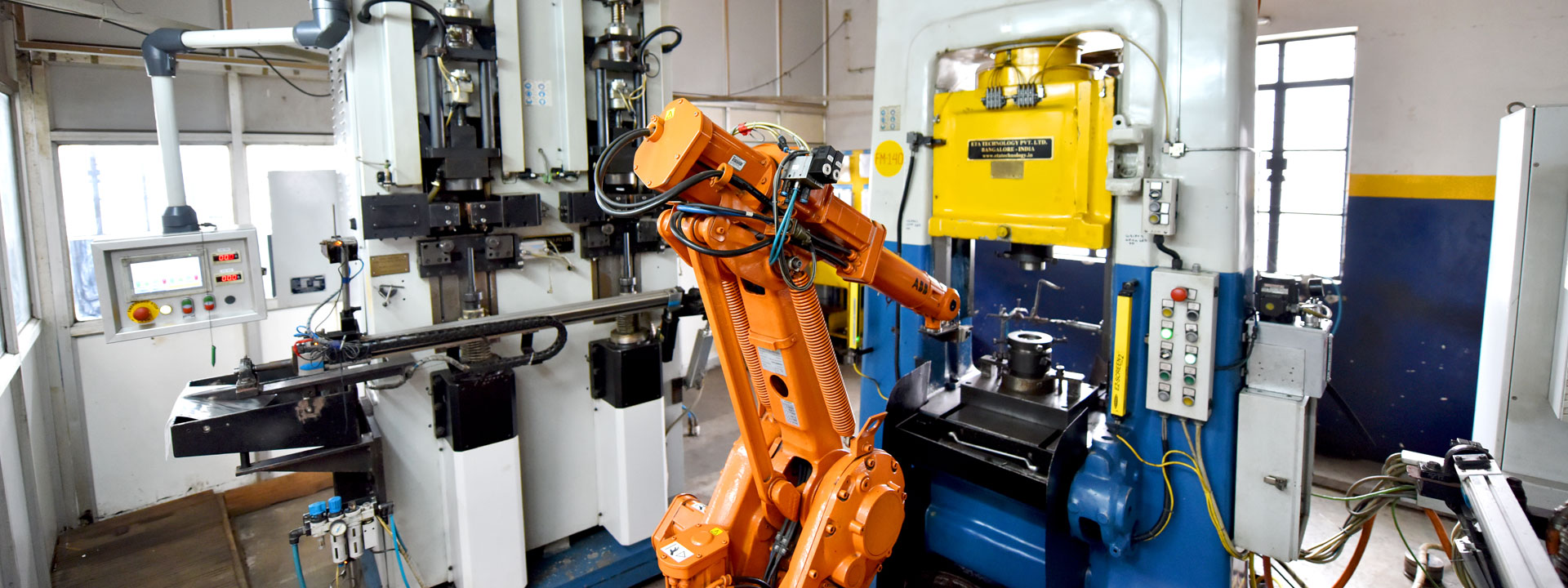
Vikram Engine Valves are produced at a 450,000 sq. ft. integrated manufacturing facility in Rajkot, India, with an annual capacity of 10M+ valves. Supported by IATF 16949-certified systems, critical stages from material processing to final inspection and dispatch are managed in-house to ensure control, consistency, and dependable quality.
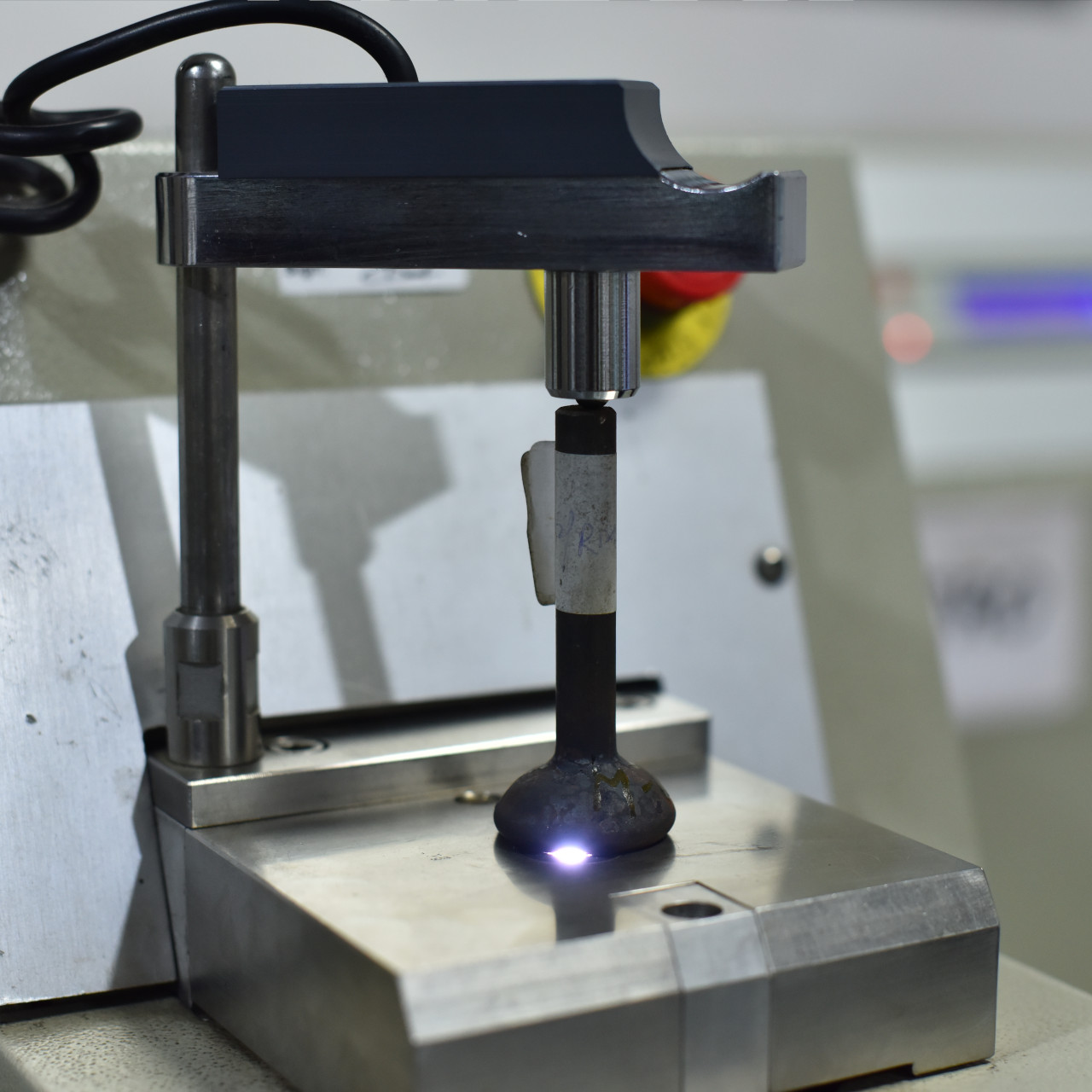
Integrated engineering, advanced manufacturing systems, and disciplined process control support precision, repeatability, and consistent output across the complete engine valve production cycle.
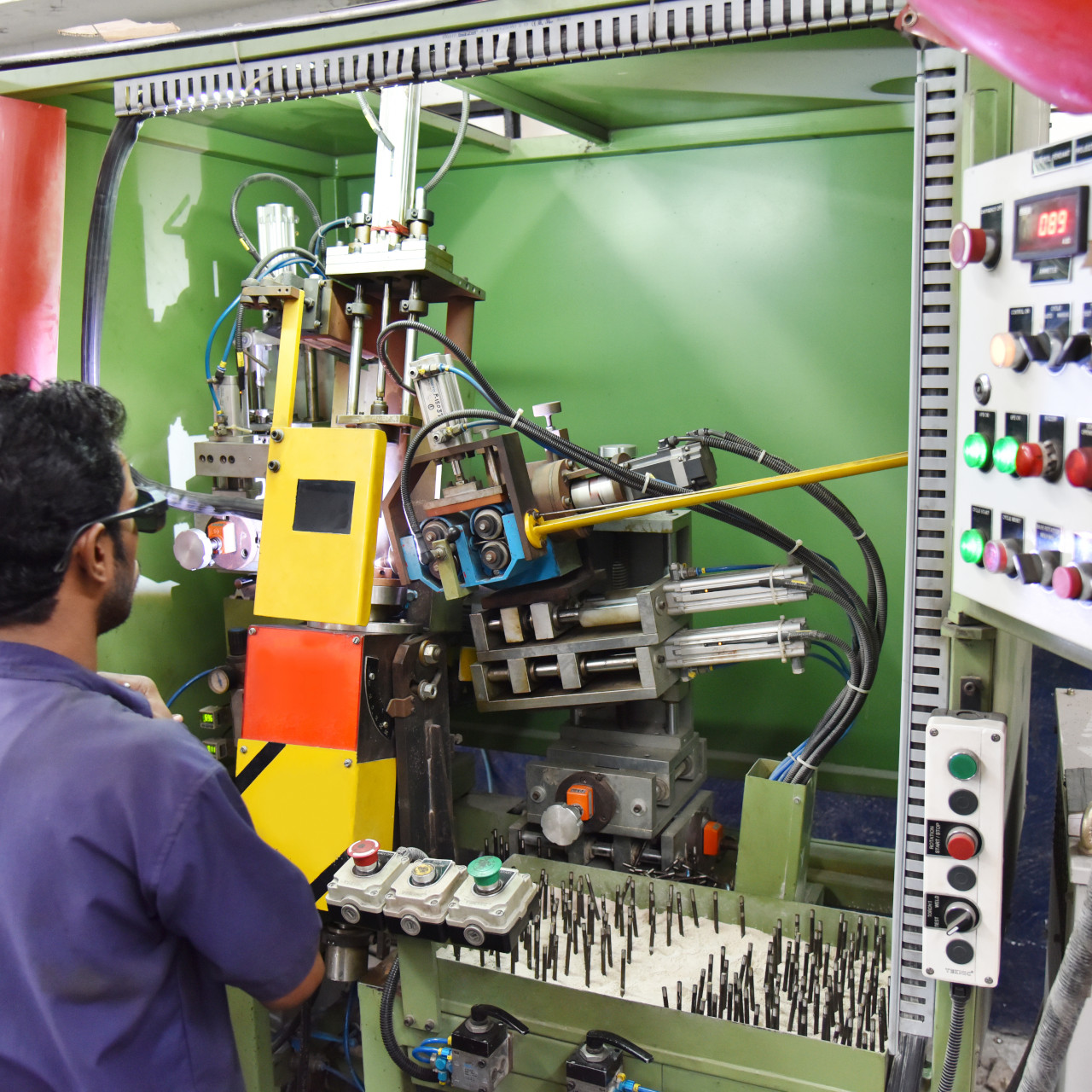
Vikram’s manufacturing strength is built on the ability to combine high-volume output with the process control required for critical engine components. Integrated infrastructure, experienced engineering teams, and disciplined production systems allow the facility to support varied program requirements without compromising dimensional accuracy, material integrity, or repeatability.
Bringing key manufacturing stages together under one roof enables tighter control over critical characteristics, improved traceability, and reduced process variation. This integrated approach supports stable supply and dependable delivery across global markets.
With an annual production capacity of over 10 million engine valves, our manufacturing facility meets diverse OEM, Tier-supplier, and automotive aftermarket requirements across engine applications, with production systems designed for consistency, responsiveness, and scalable execution.
Our operations are governed by internationally recognized management systems, including IATF 16949, ISO 14001, and ISO 45001. These systems are embedded in daily manufacturing practices, ensuring that quality, safety, and environmental responsibility remain integral to every stage of production.
Our in-house manufacturing capabilities are aligned to support precision, consistency, and control across every stage of production, from engineering and processing to inspection and final delivery.
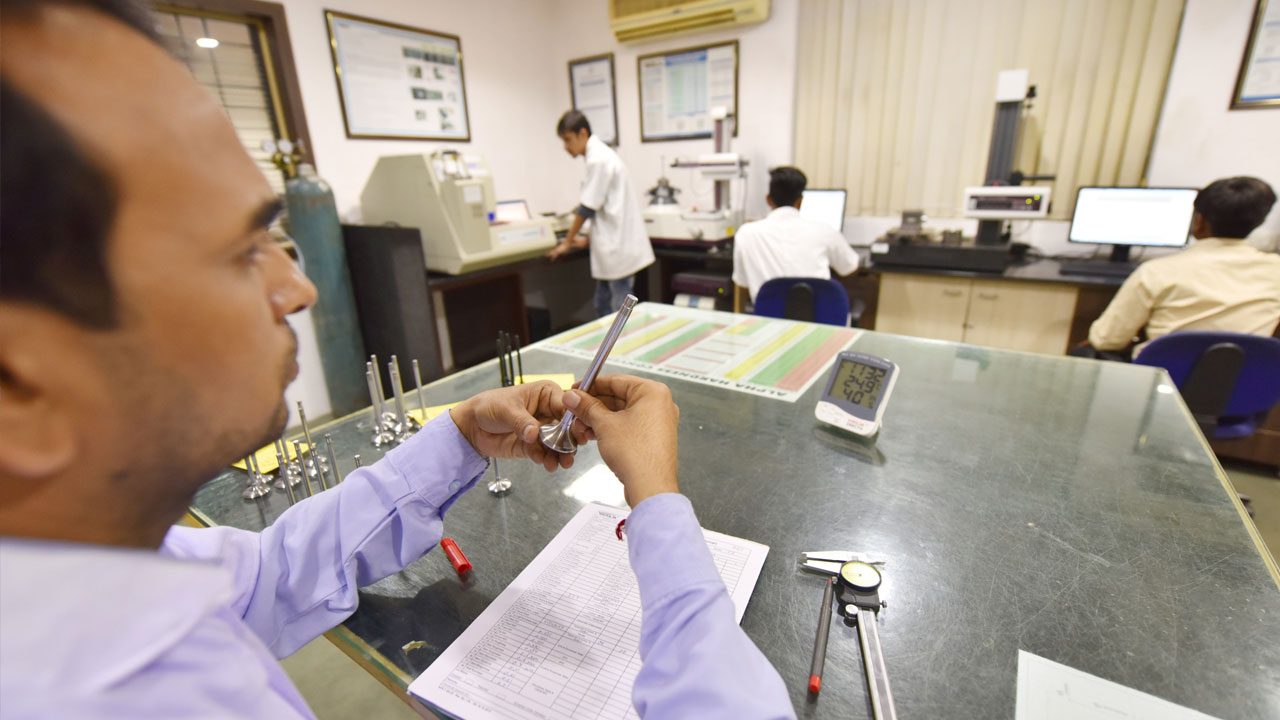
Engineering sits at the core of every Vikram product. Our in-house design and engineering teams work closely with OEM and aftermarket customers to develop application-ready solutions that meet performance, durability, and fitment requirements. From new designs to product modifications, our engineering approach ensures manufacturability, consistency, and long-term reliability.
Key capabilities include:
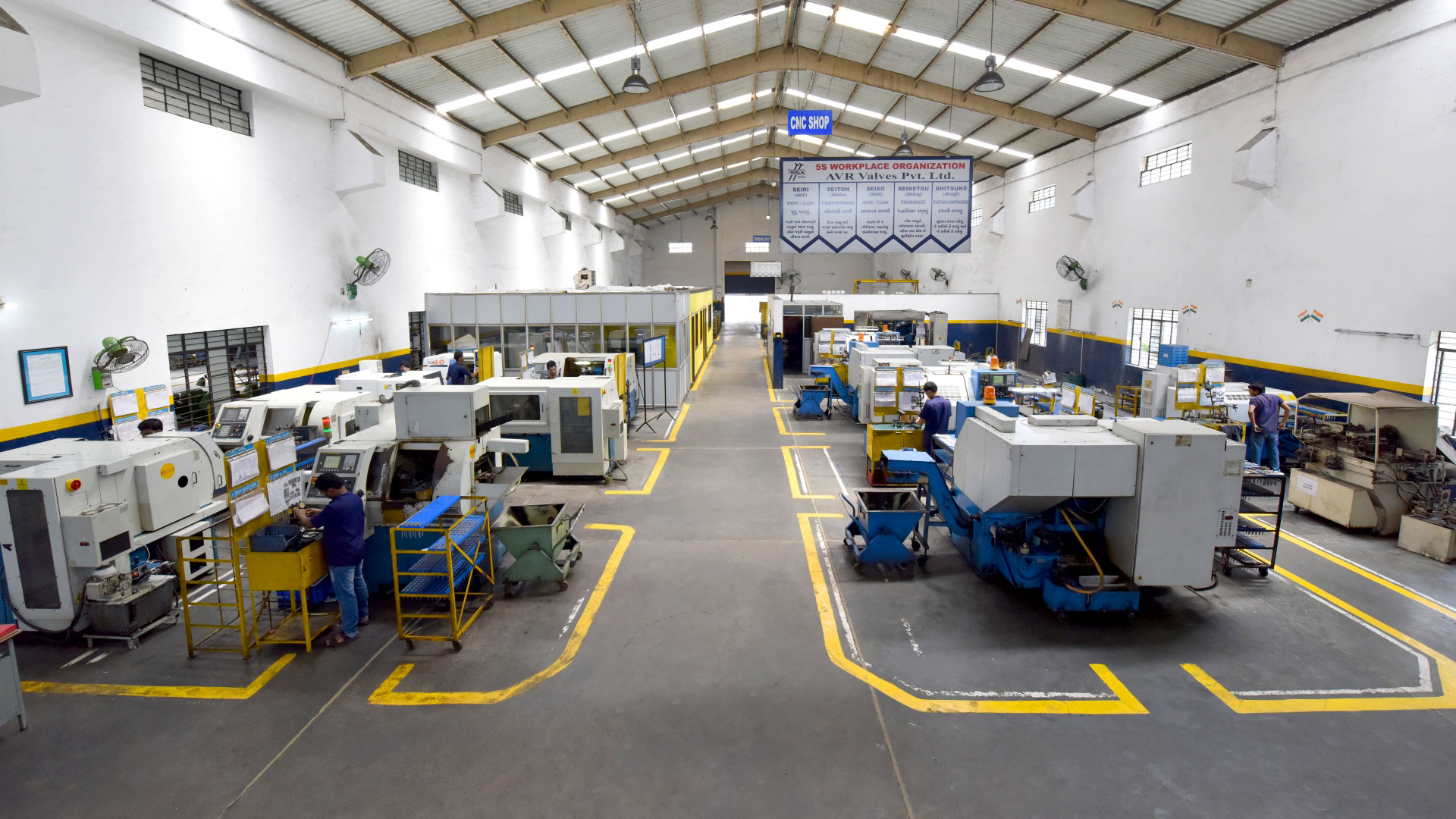
Our machining and workshop operations are structured to deliver dimensional accuracy, surface integrity, and repeatable performance at scale. Supported by skilled programmers and operators, our in-house machining capabilities support precise execution across engine valve manufacturing and other applicable precision operations.
The facility integrates CNC and conventional machining with precision grinding and controlled welding processes, enabling consistent outcomes across complex geometries and critical tolerances in high-volume production.
Key machining and processing capabilities include:
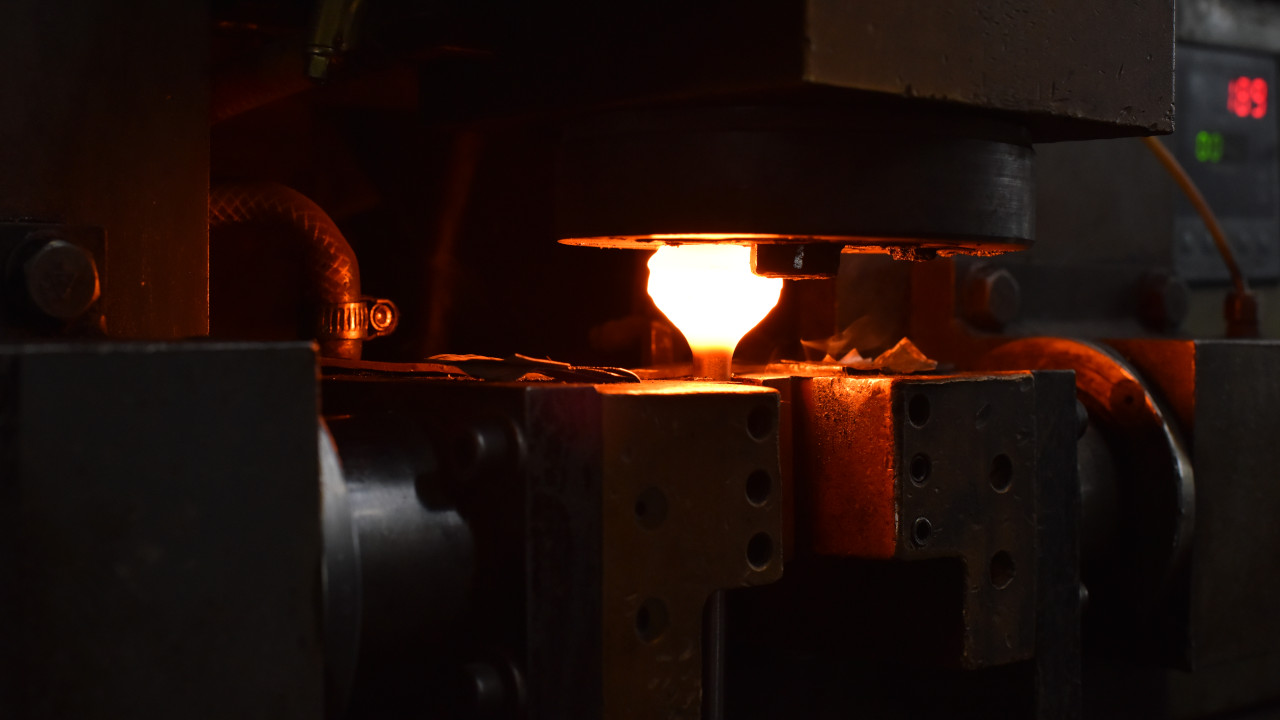
Forging is a critical foundation of engine valve performance, directly influencing strength, grain flow, and durability. At Vikram, engine valve forgings are produced using advanced electro-upsetting and high-speed precision forging systems designed for consistency, material integrity, and production efficiency.
Our forging setup eliminates common limitations associated with conventional mechanical upsetting, enabling improved process control and repeatability. Automated handling and high-speed production cells support stable output while maintaining the metallurgical properties required for demanding engine applications.
Key forging capabilities include:
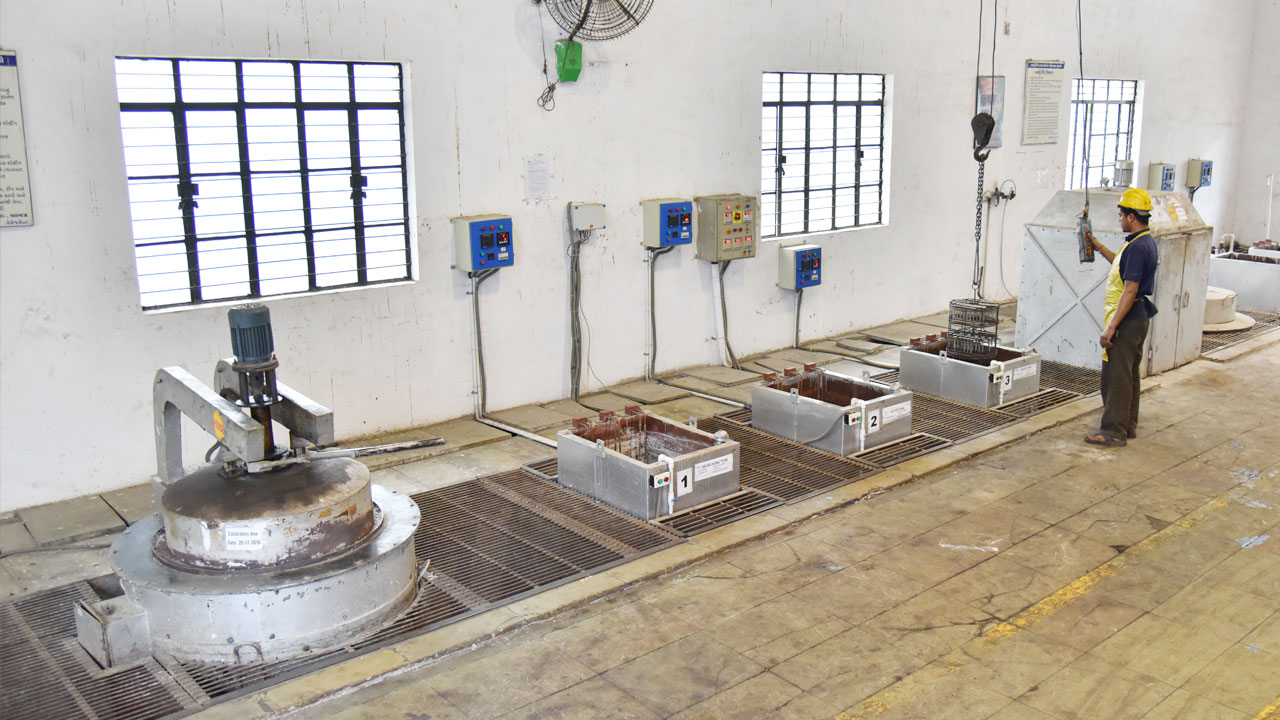
Engine valves operate under extreme thermal and mechanical conditions, making heat and surface treatments essential to performance and service life. At Vikram, controlled heat and surface treatment processes are used to enhance durability, wear resistance, and thermal stability across demanding engine applications.
Using advanced heat treatment technologies and proven coating processes, we improve scuff resistance, lubrication behavior, and friction control while supporting consistent performance under high temperature and load conditions. These treatments play a critical role in extending component life and maintaining reliability in real-world operating environments.
Key heat and surface treatment capabilities include:
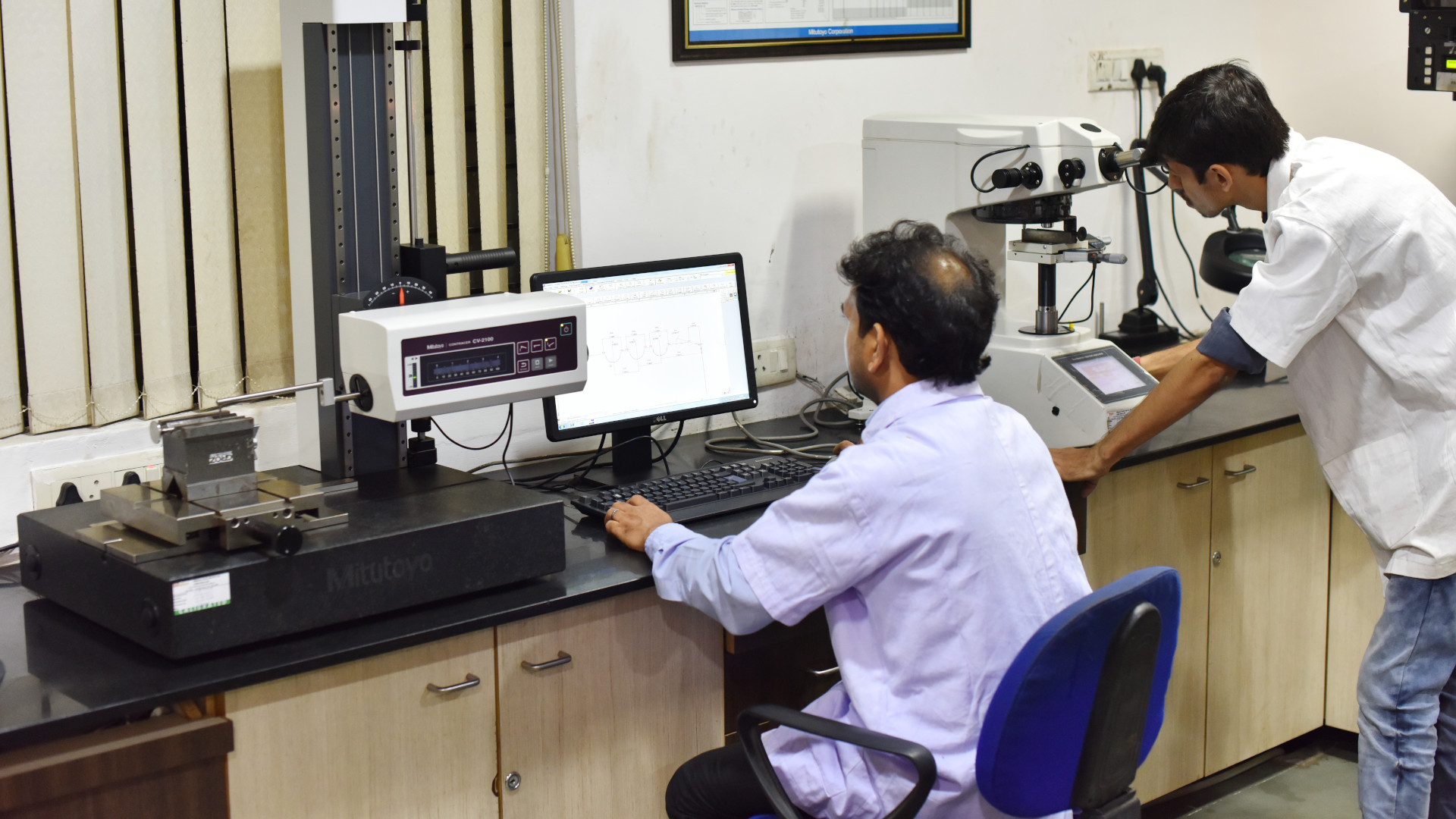
Quality control at Vikram is built into both the process and the product. Our quality systems ensure components consistently meet customer specifications, regulatory requirements, and performance expectations across diverse applications.
A dedicated quality control laboratory, supported by experienced inspection and engineering teams, enables verification at multiple production stages. By combining robust process control with advanced inspection and testing capabilities, we identify potential deviations early and maintain stable, repeatable manufacturing outcomes.
Key quality control capabilities include:
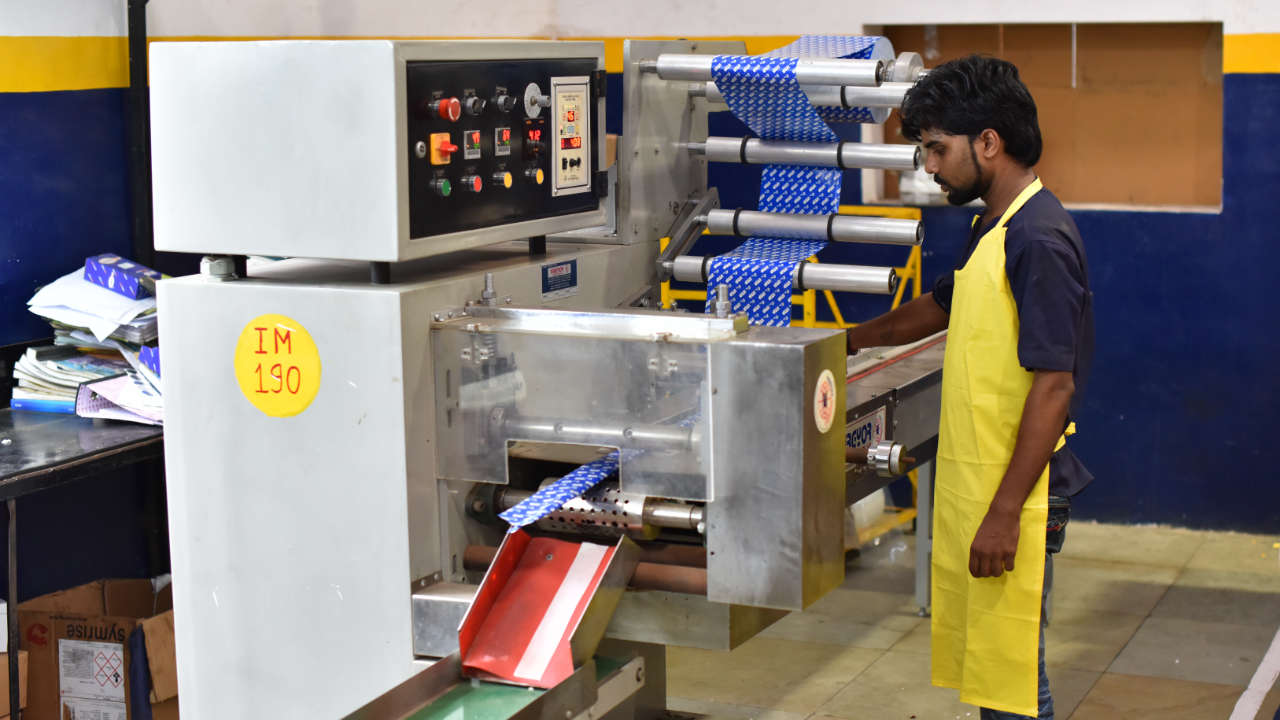
Packaging and dispatch play a critical role in preserving product integrity through storage, handling, and transportation. Vikram’s packaging operations are structured to ensure components are protected, clearly identified, and delivered accurately according to customer and shipment requirements.
Supported by organized storage infrastructure and automated packaging systems, our dispatch process enables efficient order handling and dependable shipment performance. Clear identification and controlled packaging help maintain traceability and product condition from our facility to the customer’s location.
Key packaging and dispatch capabilities include: