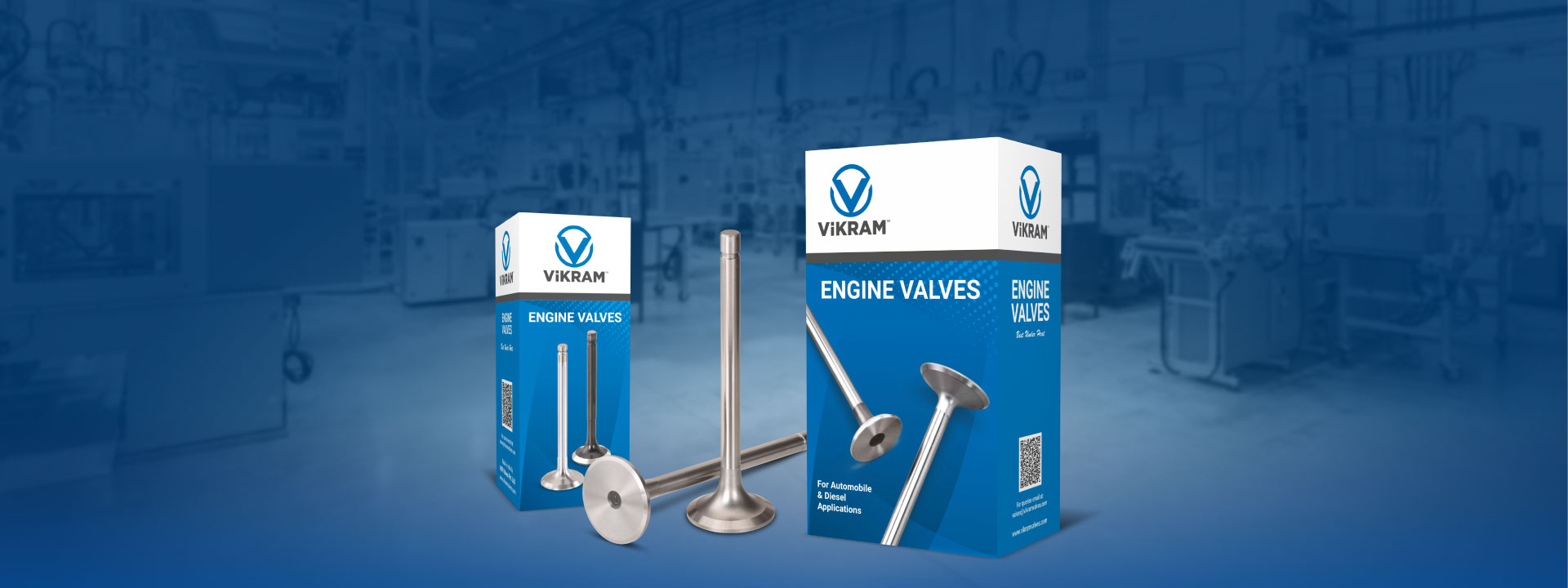
Engineered intake and exhaust engine valves designed for durability, precise fitment, and consistent performance across global engine platforms.
Built to operate under high temperatures, cyclic loads, and aggressive operating environments, Vikram engine valves are manufactured to meet the demands of modern OEM and aftermarket applications.
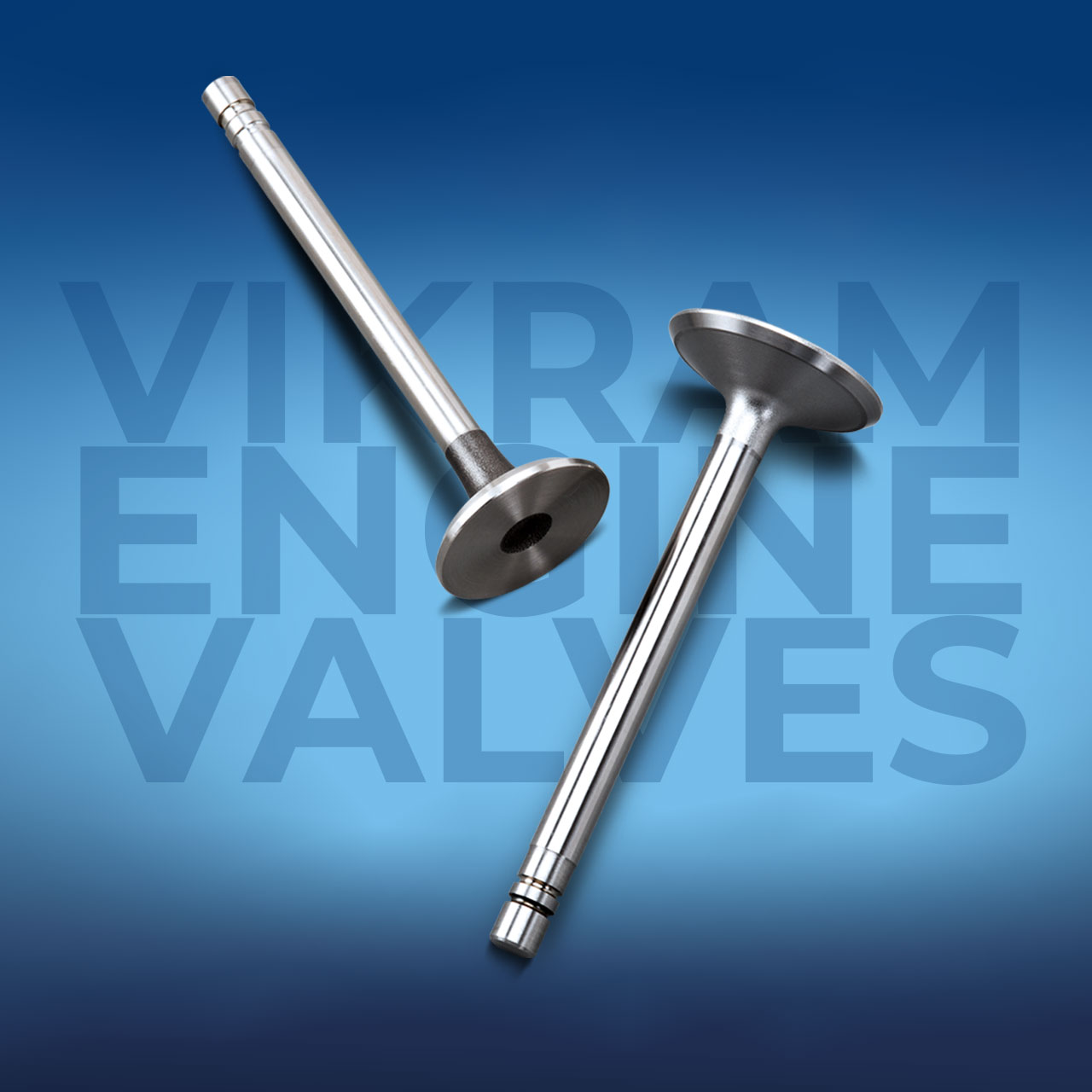
Engine valves operate at the heart of engine performance, controlling airflow, combustion efficiency, and thermal balance under extreme operating conditions. Designed to function reliably under high temperatures, cyclic loads, and continuous motion, they play a critical role in determining engine durability and output. Vikram’s engine valves are engineered with this responsibility in mind—built to deliver consistent sealing, accurate timing, and long service life across demanding applications.
Both intake and exhaust valves are manufactured using carefully selected materials and controlled processes to withstand heat, pressure, and wear. Material selection, heat treatment, and surface finishing are aligned with specific engine requirements, ensuring optimal resistance to fatigue, corrosion, and deformation. This engineering-led approach allows each valve to perform reliably throughout extended operating cycles.
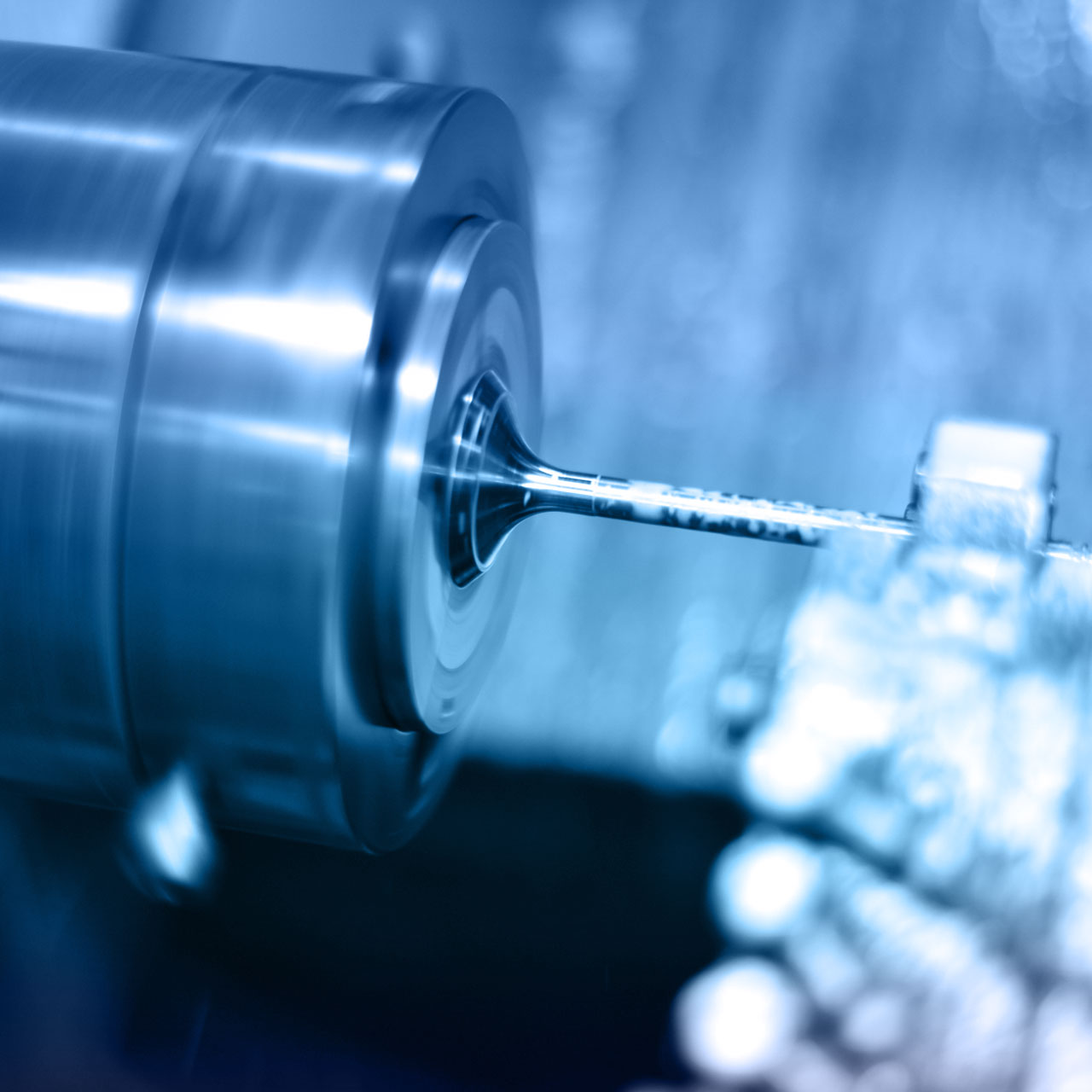
Manufacturing precision is supported by advanced production technologies and rigorous in-process controls. From forging and machining to heat treatment and finishing, every stage is governed by defined parameters to maintain dimensional accuracy and metallurgical integrity. This consistency enables Vikram to supply engine valves that meet OEM specifications while delivering dependable performance in aftermarket applications.
With decades of experience in engine valve manufacturing, Vikram supports a wide range of engine platforms and duty cycles. Whether supplied for original equipment programs or replacement markets, each valve reflects the same focus on engineering discipline, material integrity, and controlled execution—ensuring performance that holds up in real-world operating environments.
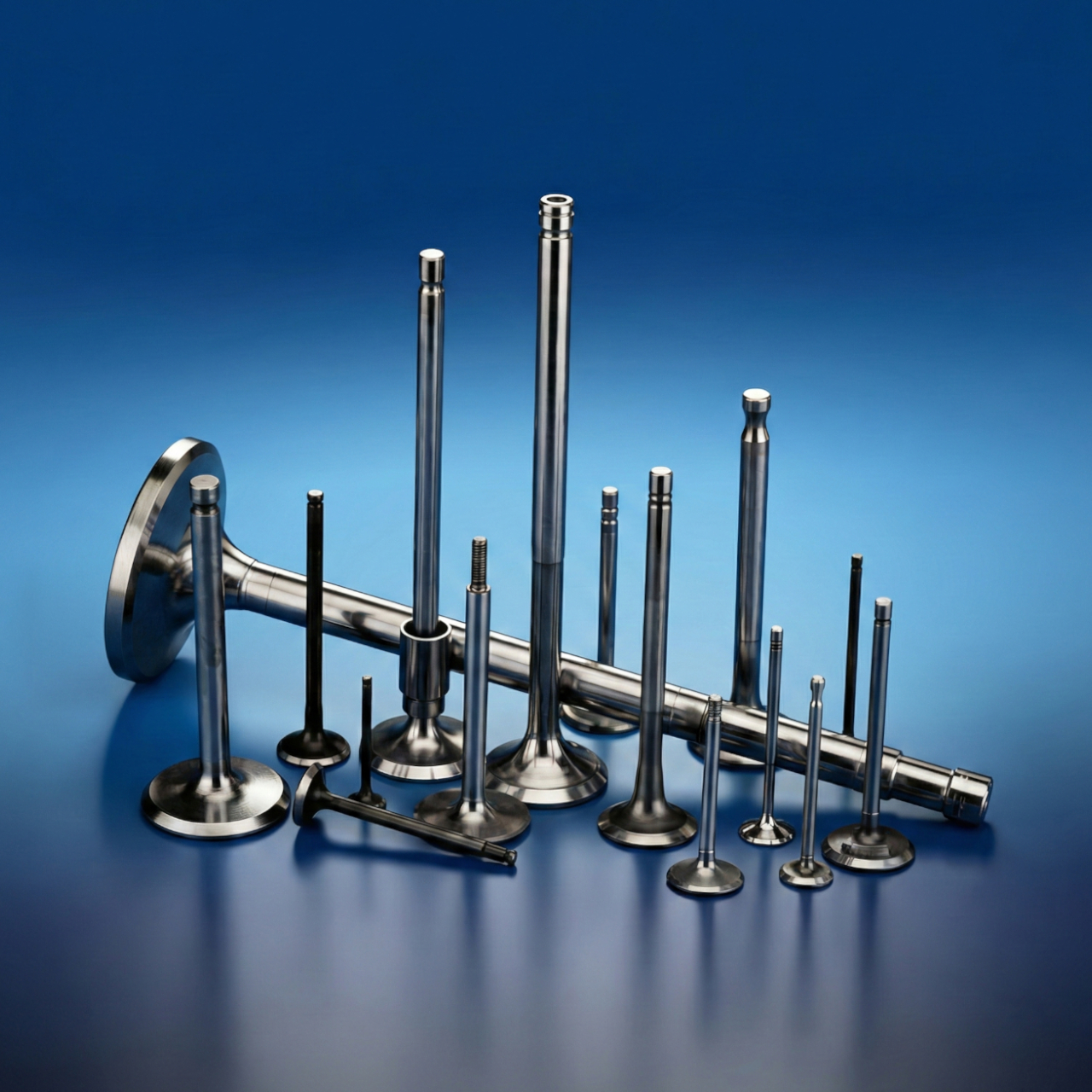
A broad manufacturing range, engineered processes, and application-driven design enable Vikram to support OEM and aftermarket engine programs at scale.
Vikram is a leading engine valve manufacturer with the capability to produce more than 3,500 types of intake and exhaust engine valves for diverse automotive and industrial applications. This breadth allows us to support a wide spectrum of engine platforms, from high-volume passenger vehicles to heavy-duty, off-highway, and stationary engines.
Our manufacturing range covers valve stem diameters from 4 mm to 25 mm and valve lengths from 60 mm to 400 mm, enabling precise alignment with engine design requirements. Each valve is developed to meet defined performance parameters, ensuring accurate fitment, reliable sealing, and long service life under demanding operating conditions.
We manufacture engine valves for OEM programs, aftermarket applications, and custom requirements, applying the same engineering discipline and process control across all segments. Whether supplied as original equipment components, Vikram-branded aftermarket parts, or private-label solutions, every valve is produced to consistent quality standards.
Material selection and surface treatments are matched to performance demands. Depending on application requirements, engine valves are induction hardened, chrome plated, or nitrided, enhancing wear resistance, thermal stability, and service life. To protect reliability at scale, all critical characteristics are subjected to 100% inspection and crack detection, reinforcing confidence in every valve delivered.
Advanced materials, controlled manufacturing processes, and application-specific treatments are applied to enhance durability, efficiency, and long-term engine reliability.
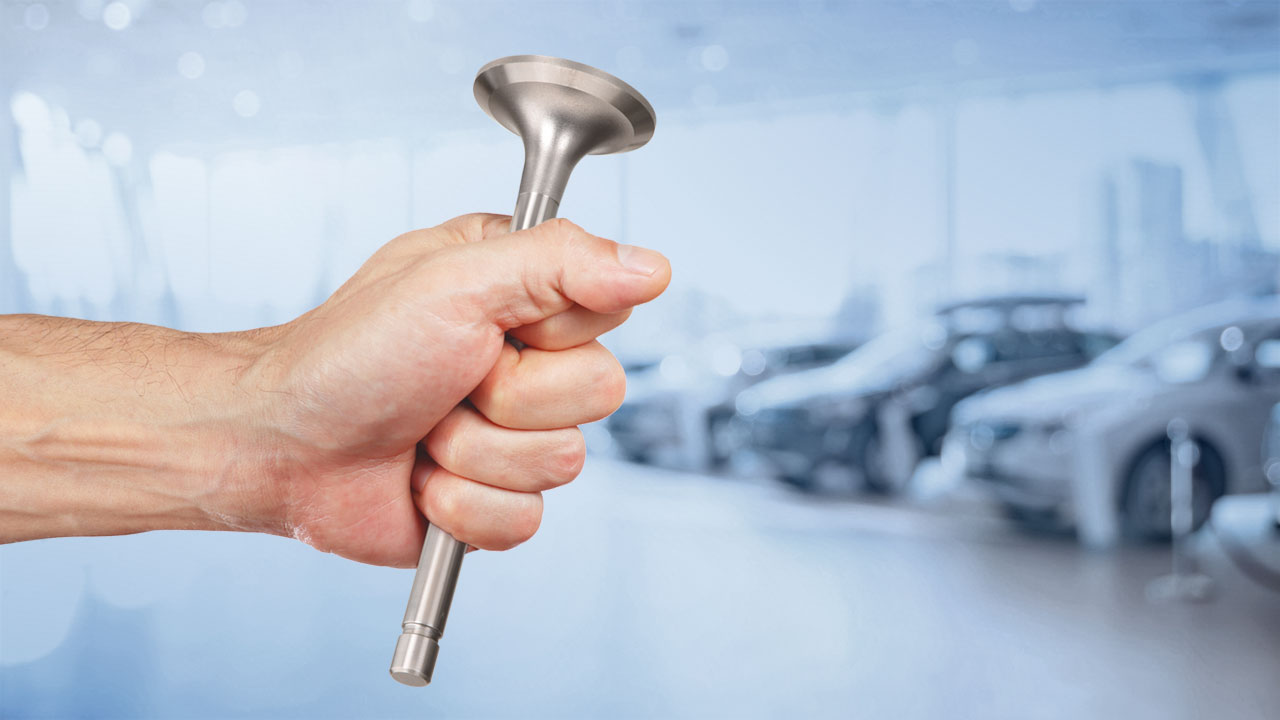
A broad specification envelope enables precise matching across engine platforms, duty cycles, and performance requirements.
| SAE | BS | JS | Wr. No. | C | Si | Mn | Ni | Cr | Mo | N | |
|---|---|---|---|---|---|---|---|---|---|---|---|
| INTAKE & LIGHT DUTY EXHAUST | SIL1 | EN 52 | SUH 1 | 1,4718 | 0.40-0.50 | 3.00-3.50 | 0.60-MAX | 0.60-MAX | 7.50-9.50 | — | — |
| — | — | SUH 3 | — | 0.35-0.45 | 1.80-2.50 | 0.60-MAX | 0.60-MAX | 10.00-12.00 | 0.70-1.30 | — | |
| — | — | SUH 11 | — | 0.45-0.55 | 1.00-2.00 | 0.60-MAX | 0.60-MAX | 7.50-9.50 | — | — | |
| EXHAUST | EV-12 | 12-2 N | — | 14,875 | 0.50-0.60 | 0.08-0.25 | 7.00-9.50 | 1.50-2.75 | 19.25-21.50 | — | 0.20-0.40 |
| EV-8 | 21-4 N | SUH 35 | 14,871 | 0.48-0.58 | 0.35 MAX | 8.00-10.00 | 3.25-4.50 | 20.0-22.50 | — | 0.35-0.50 | |
| EV-15 | 23-8 N | — | — | 0.28-0.38 | 0.50-1.00 | 1.50-3.50 | 7.00-9.50 | 22.00-24.00 | — | 0.25-0.40 | |
| EV-4 | 21-12 N | SUH 37 | — | 0.15-0.25 | 1.00 MAX | 1.00-1.60 | 10.00-12.00 | 20.50-22.50 | — | 0.15-0.35 | |
| INCONEL-751 | 0.10 MAX | 0.50 MAX | 1.00 MAX | BAL | 14.0-17.0 | Ti/AL 2.2/1.0 | FE 7.0 | ||||
| NIMONIC-80A | 0.10 MAX | 1.00 MAX | 1.00 MAX | BAL | 18.0-21.0 | Ti/AL 2.0/1.5 | FE/CO 5.0/2.0 MAX MAX | ||||
| C | CR | W | FE | CO | |||
|---|---|---|---|---|---|---|---|
| STELLITE #1 | 2.5 | 30.0 | 12.0 | 3.0 MAX | BAL | HRC- | 50/54 |
| STELLITE #6 | 1.00 | 28.0 | 4.0 | 3.0 MAX | BAL | HRC- | 40/44 |
| STELLITE #12 | 1.35 | 29.0 | 8.0 | 2.0 MAX | BAL | HRC- | 45/47 |
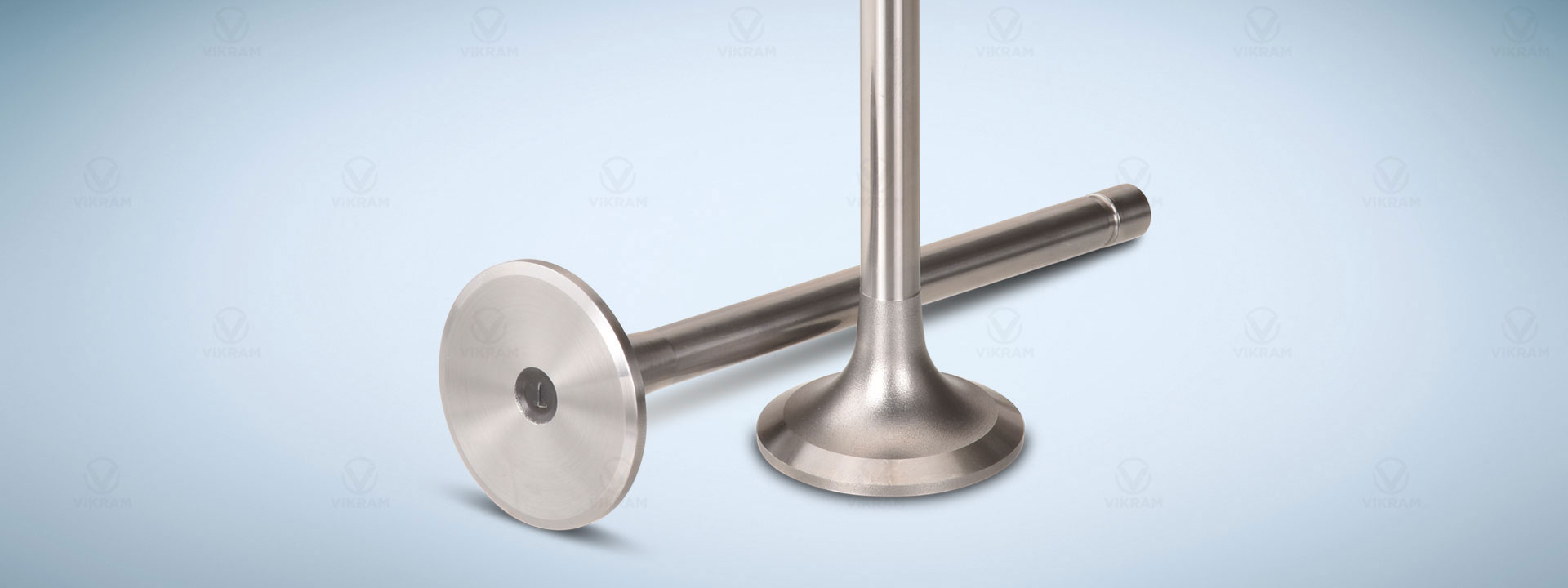
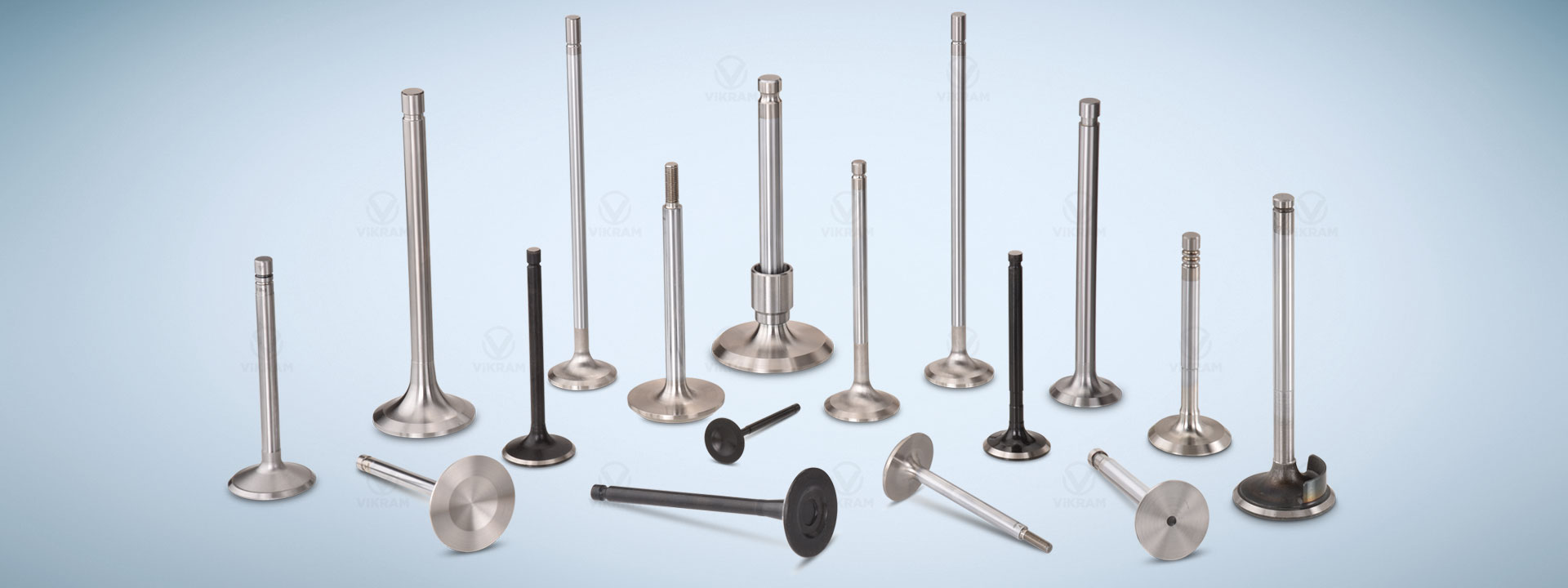
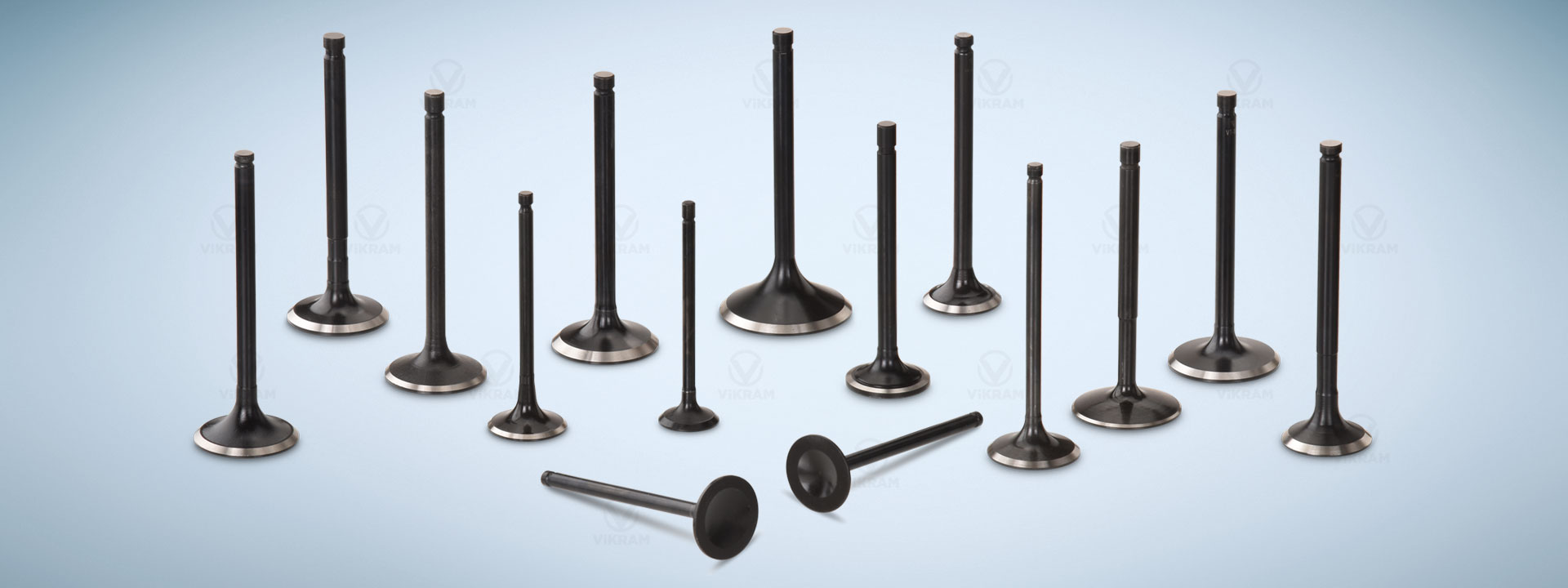
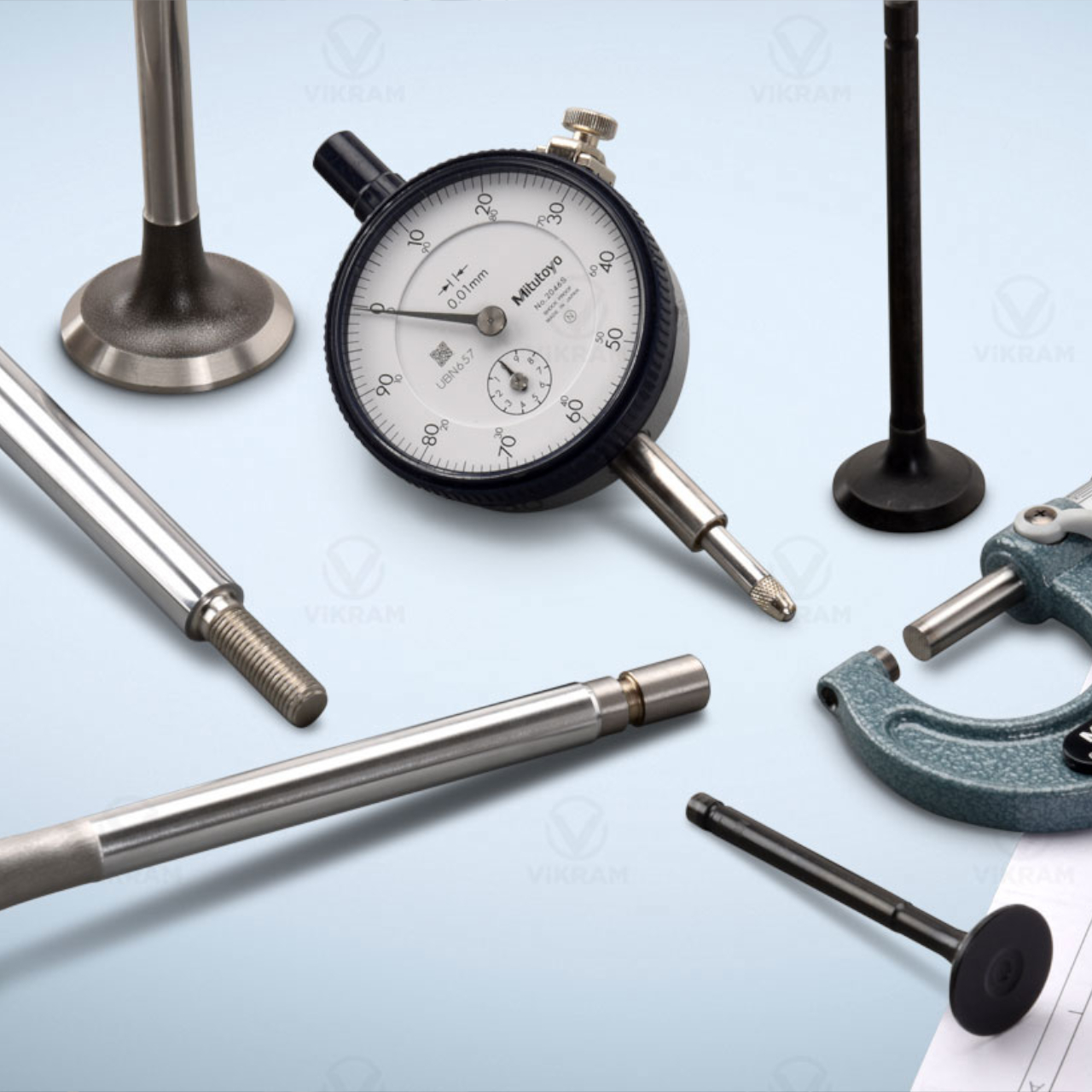
From design modification to full development, custom engine valves are built to match performance, durability, and operating conditions.
Standard engine valves do not always address the performance demands of specialized engines or evolving operating conditions. Custom engine valve development begins with a clear understanding of application requirements, duty cycles, material behavior, and interface constraints.
Vikram supports both OEM and aftermarket customers with custom valve solutions—ranging from dimensional modifications and material upgrades to complete design development for new engine platforms. Engineering teams work closely with customer specifications to ensure design intent is translated into stable, repeatable production.
Material selection, heat treatment, surface coatings, and dimensional tolerances are optimized based on operating temperature, load conditions, and service life expectations. This disciplined approach ensures custom valves deliver consistent performance without compromising manufacturability or quality control.
Custom engine valve programs are supported by in-house manufacturing, inspection, and validation capabilities—allowing rapid development cycles while maintaining OEM-level quality standards.

Engine valves engineered for reliable performance across diverse engine types and operating conditions.